
April 8 – The Path of the Fall and the Path of the Return
And the end of all our exploring will be to arrive where we started and know the place for the first time. T.S. Eliot
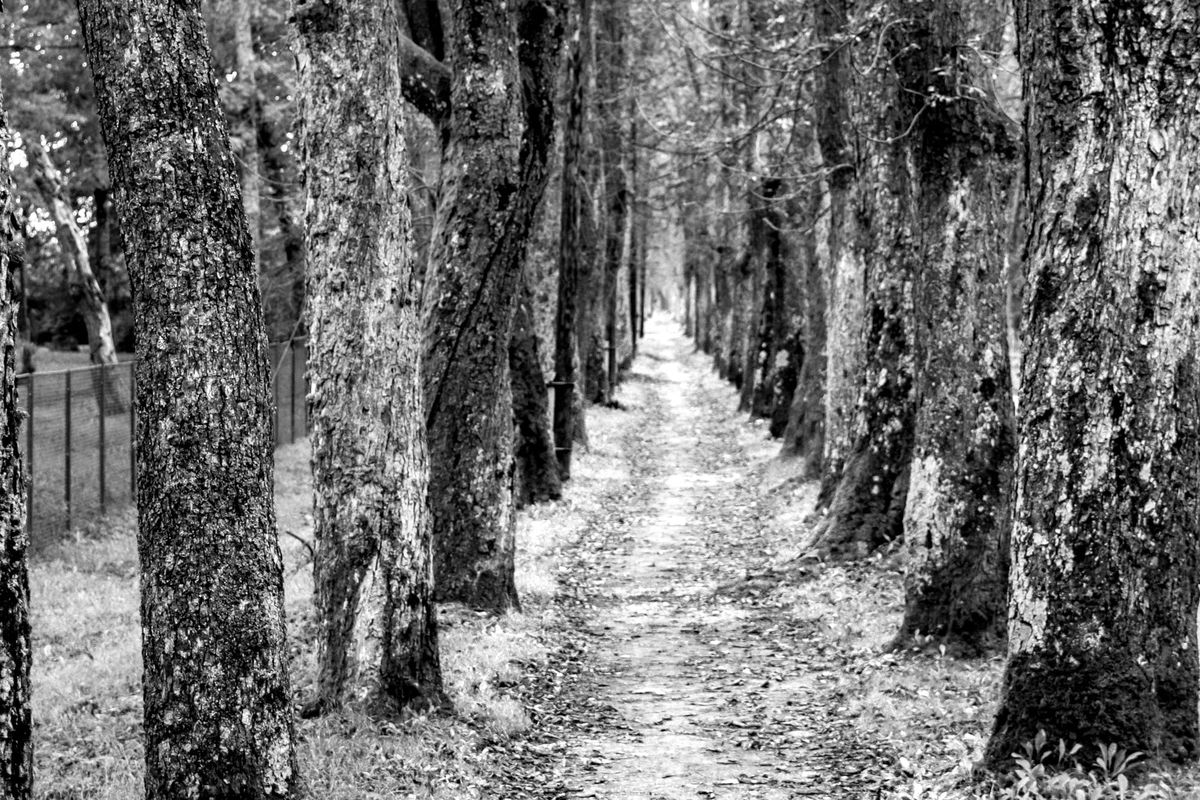
Gregg’s Reflection
Richard Rohr describes two great movements in the spiritual life—the path of the fall and the path of the return. The prophets lead us into the descent, not to harm us, but to strip away illusions and heal the false self. Kathleen Singh deepens this understanding with her teaching on the “splits” that occur early in life—separations between self and other, now and then, body and mind, and acceptable and unacceptable parts of the self. These dualisms shape our sense of reality and keep us living divided lives.
Singh says these splits must be healed in the reverse order they formed. We begin by reclaiming the parts of ourselves we have deemed unacceptable, integrating shadow with light. Then we reconnect body and mind, learn to live in the eternal now, and finally dissolve the illusion that we are separate from God and others. This healing rarely happens on the mountaintop. It takes place in the valley, in the darkness, in the moments we would never choose but which God can use for transformation.
The path of descent is the path of return. T. S. Eliot said it this way, “The end of all our exploring will be to arrive where we started and know the place for the first time.” As we move downward—trusting the hands that hold us—we begin to rise in a different way. The fractures in our being start to mend. We are restored to the wholeness that has been ours from the beginning, not by bypassing our wounds, but by allowing God to enter and heal them at their deepest source.
Scripture
Though we stumble, we shall not fall headlong, for the Lord holds us by the hand.
Psalm 37;24
Ancient Quotes
Do not lose yourself to save another.
Abba Macarius, Sayings of the Desert Fathers
Modern Quotes
The path of descent is the path of transformation. Darkness, failure, relapse, death and woundedness are our primary teachers, rather than ideas or doctrines.
Richard Rohr, Yes, and, p. 289
The Path Home: Healing Dualisms that develop in childhood.
1st Dualism: First and primary separation by the developing psyche, between self and other. Creates experience of separation.
2nd Dualism: Distinction made in the developing mind between now and then; with it arises the sense of time and mortality, evolves into fear of death.
3rd Dualism: Boundary placed by the developing psyche between the body and the mind: child places the locus of identification in the mind.
4th Dualism: Strongly placed boundary between acceptable and unacceptable parts of the self; Jung defines it as between the persona and the shadow.
These dualisms must be healed in reverse order—the last one first. Only then can we return to the wholeness that is our birthright.
Kathleen Singh, Grace in Dying, Glossary
Journaling Prompts
- Which of Singh’s four dualisms feels most present in your life right now?
- Where do you sense God inviting you into integration rather than separation?
- How have past “falls” helped you reclaim lost or hidden parts of yourself?
Any picture we hold of God is always incomplete. Richard Rohr says, “Whatever you think God is, God isn’t.” It was incredibly hard to see God as abyss, until I experienced it. Will you let go and let yourself fall into the arms of God? Ready to embrace failing, falling, surrender?
👉 Go deeper into this week’s theme:
Read the full Week 14 Reflection: Failing, Falling, Into the Abyss