
Leadership: Decision-Making Model
Real power is not given to those who demand it or grab it. Real power comes to those who listen deeply and invite others in. Henri Nouwen

Gregg’s Reflection
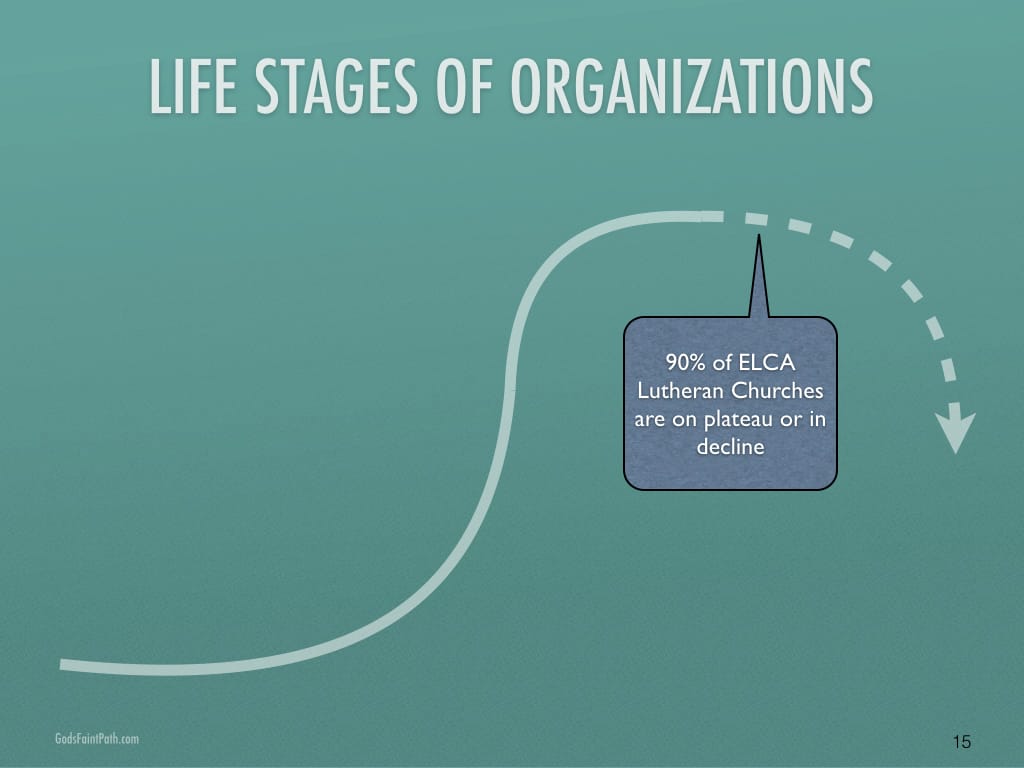
My father rarely let others into the decision process. He was owner/boss and decider-in-chief. He learned leadership in the Army Corps of Engineers during World War II and built the family equipment business as a machine bureaucracy. He gave orders and everyone else took them. Middle managers made few decisions for fear of getting second-guessed. This decision-making style did not encourage people to bring their brains to work, and only produced compliance. The business was mired on a plateau the last decade of his life. His focus was always on the urgent. Here is where we found ourselves. This is the state of many, many churches.
Often, leaders get trapped in dealing with the urgent, and ignoring the important. U.S. President Dwight D. Eisenhower, who was known for his extraordinary productivity and ability to prioritize, said:
What is important is seldom urgent, and what is urgent is seldom important.
The Eisenhower Matrix looks like this:
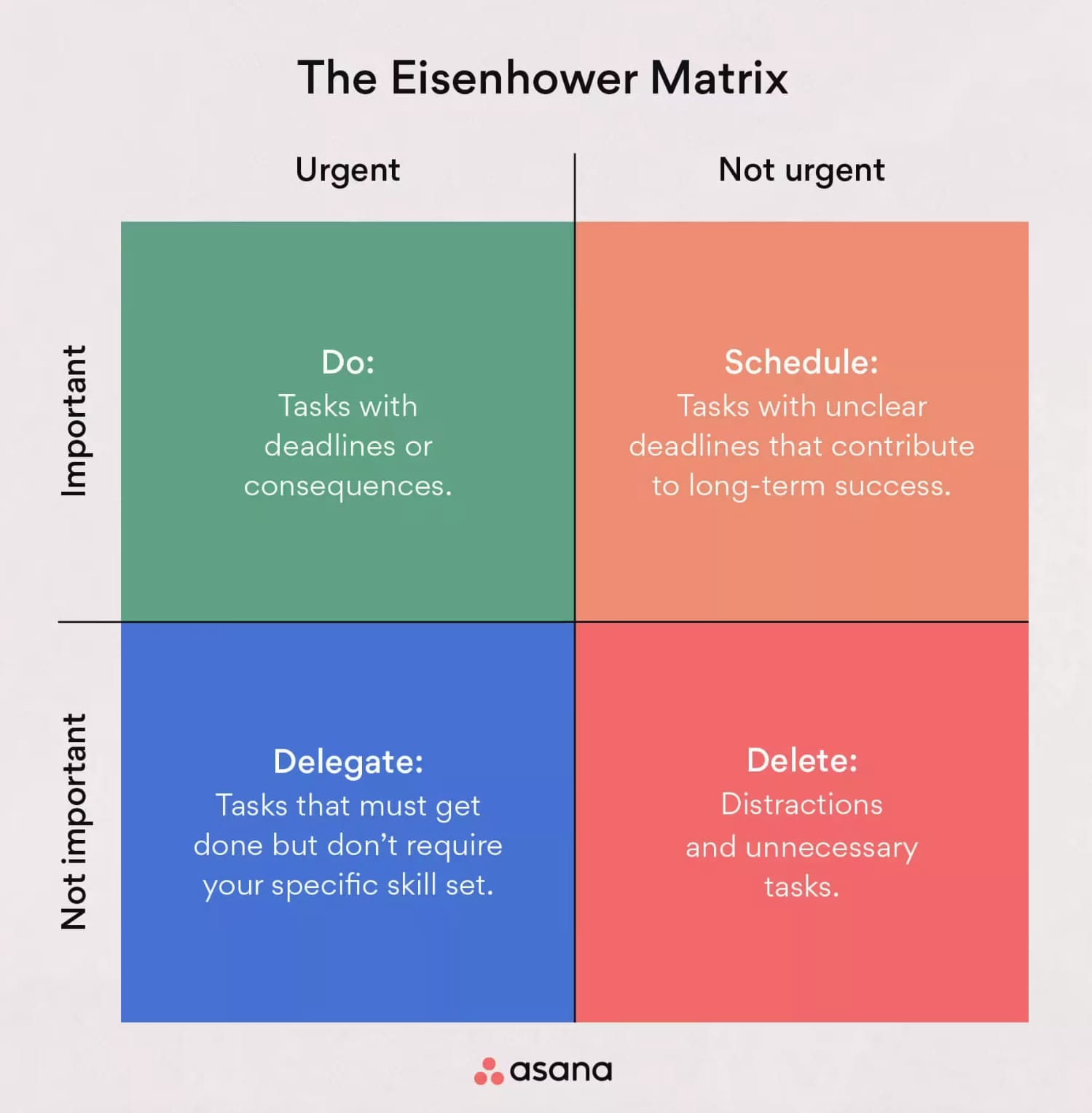
It’s a 2x2 quadrant chart that sorts tasks by two dimensions:
- Urgent vs. Not Urgent
- Important vs. Not Important
The quadrants are:
- Urgent + Important → Do it immediately. (Crises, deadlines, pressing problems)
- Not Urgent + Important → Schedule it. (Strategic planning, relationship-building, personal growth)
- Urgent + Not Important → Delegate it. (Interruptions, some emails/meetings)
- Not Urgent + Not Important → Eliminate it. (Time-wasters, trivial activities)
This framework helps people focus on Quadrant 2 — the important but not urgent — because that’s where long-term value, health, and transformation are built.
Decision-Making Styles
My brother and I brought a much more participative, collaborative decision-making process, empowering people and unleashing them. We built a learning organization, and pushed decisions closer to the customer. We included much of our management team in visioning and strategy as we restructured the company for growth. The enrollment stirred in by this culture led to tremendous growth.
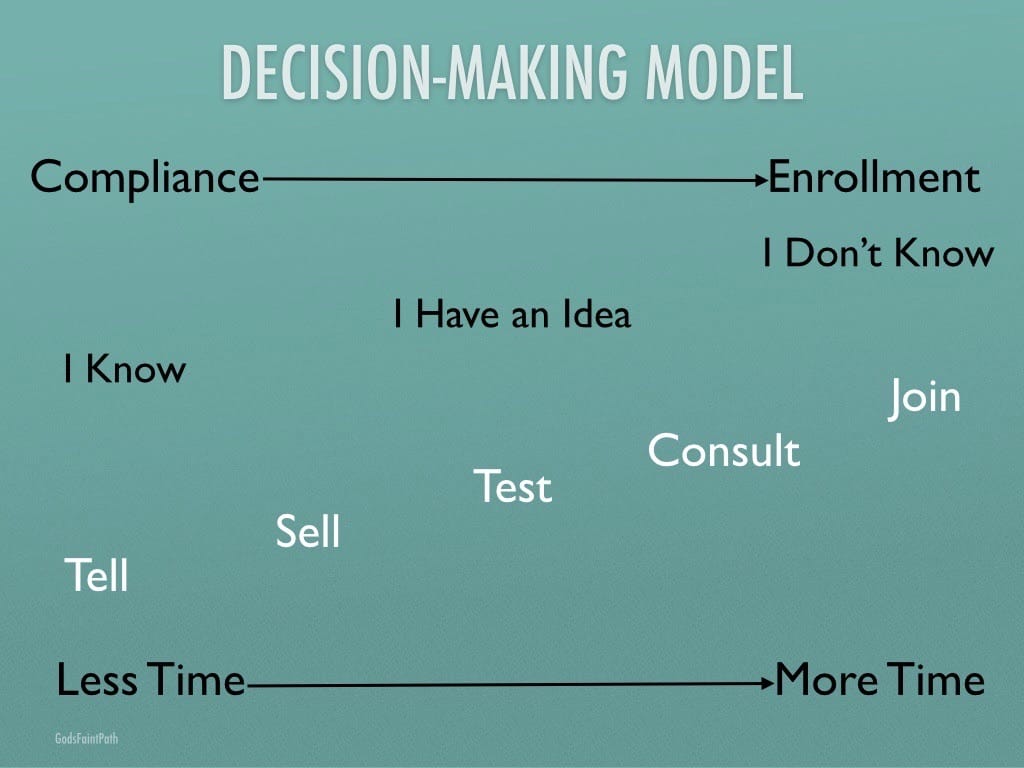
At the heart of leadership lies the question: How do we make decisions together? We discovered and implemented a decision-making model to articulate how we would make decisions. This model maps out five common approaches leaders use when making decisions, ranging from top-down directives to collaborative discernment. It shows that as time investment increases, so does ownership — moving us from simple compliance to full enrollment.
The Axes
- Horizontal Axis: Ownership
- Left = Compliance: Others go along with the decision because they have to.
- Right = Enrollment: Others join in because they believe in the vision and feel part of it.
- Vertical Axis: Time & Energy
- Bottom = Less Time: Fast, efficient, but limited buy-in.
- Top = More Time: Slower, but cultivates commitment and shared purpose.
Five Decision Approaches
1. Tell (I Know) — Compliance / Less Time
- Business: The leader issues a directive. Efficient, but risks disengagement.
“We’re pivoting the product strategy next quarter.” - Church: The pastor or leadership team makes a unilateral decision.
“We’re canceling the Wednesday night service.” - Use when: The issue is urgent, clear, or within your clear authority.
We learned in the business world that time is the essence of some decisions.
2. Sell (I Know) — Compliance with Persuasion
- Business: The leader still decides, but offers rationale to gain support.
“Here’s why we’re adopting a new CRM — it’ll improve workflow.” - Church: Leadership invites the congregation to accept a change.
“Moving Sunday School to Saturday makes space for families — here’s why we believe it’s right.” - Use when: You want others on board without re-opening the decision.
3. Test (I Have an Idea) — Exploring
- Business: Leader proposes an idea and gauges reactions.
“What if we piloted remote work Fridays?” - Church: Leadership invites conversation around a proposed change.
“What would it look like to partner with another church for outreach?” - Use when: You have a direction but want to sense receptivity or refine it.
4. Consult (I Don’t Know) — Collaborative Insight
- Business: The leader seeks input from the team before deciding.
“We’re evaluating budget cuts — what ideas or concerns do you have?” - Church: The pastor or team invites community discernment.
“How should we structure our small groups next season?” - Use when: You recognize wisdom in the community, but still hold the decision.
5. Join (We Decide) — Enrollment / More Time
- Business: Decision is made collectively, often with co-ownership.
“Let’s co-create our core values together.” - Church: Discernment is shared through communal prayer, listening, and dialogue.
“Let’s discern together where God is leading us as a congregation.” - Use when: You seek deep commitment, cultural alignment, or spiritual consensus.
As decisions become more important and will affect more of your people, you might want to 'consult' with them. Most visioning falls into this category when I'm working with a larger organization. Make clear, however, that you are asking their opinion before you make your final decision. Otherwise, this mode looks just like the next one, where you 'join' to make the decision. In this case, you really don't know the answer, and you enter into a process where you just get one vote. Yes, it takes more time, but in the important matters, consulting with your people is critical to the successful implementation of any big initiative.
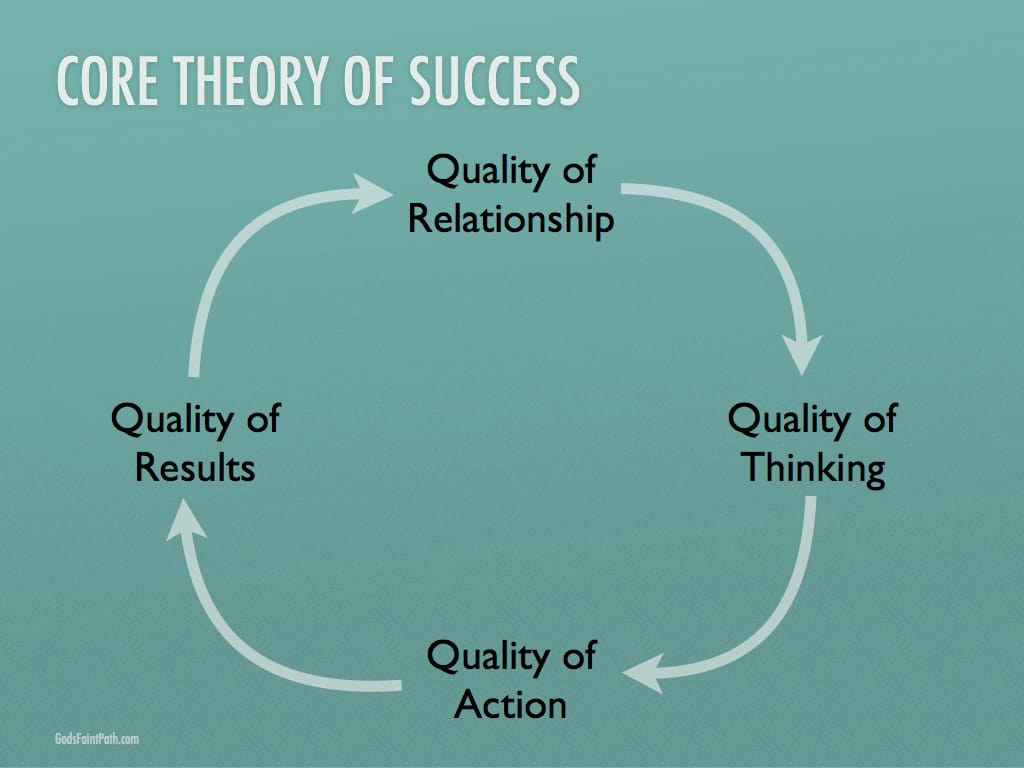
My post on the Core Theory of Success shows what happens when we strengthen relationships on the team.
Why This Matters
Whether leading a team or a congregation, understanding how we make decisions is just as important as what we decide. Most organizations live in the “Tell/Sell” zone — fast but shallow. But truly transformational leadership involves inviting others into the process, even when it takes more time.
In business, this creates alignment, innovation, and employee engagement.
In the church, it cultivates discernment, community, and spiritual formation.
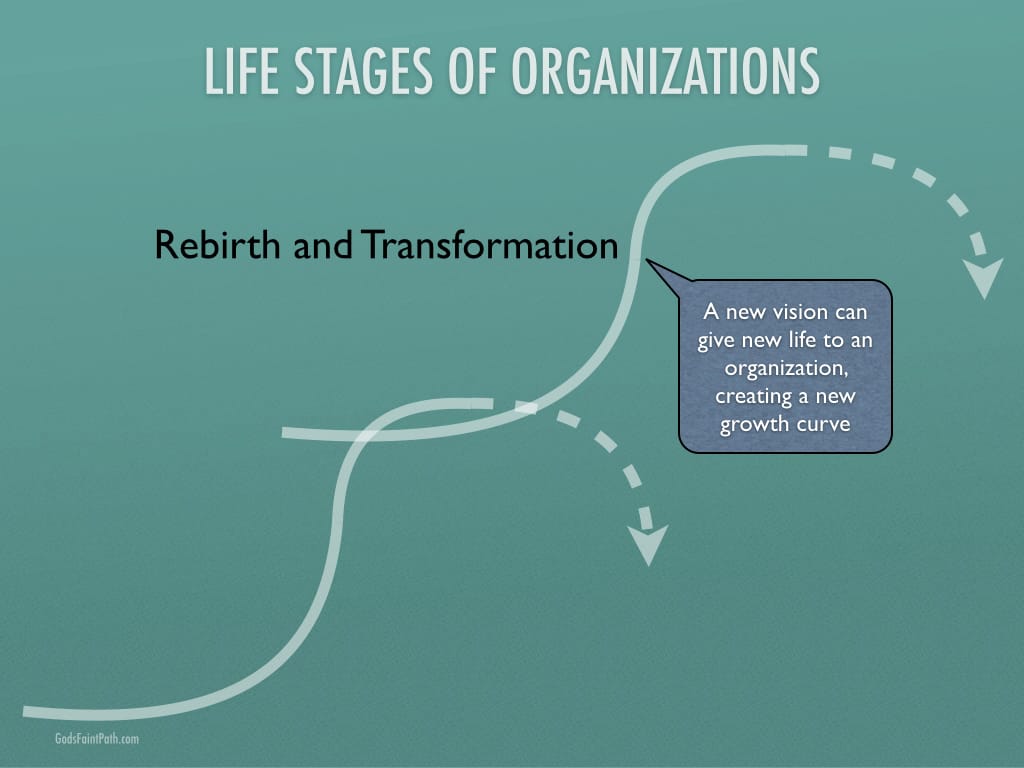
We did three rounds of organizational restructuring as we grew the business. We involved our management team, but were in the Consult mode. A couple of years before we sold the business, one of my key leaders left. The rest of the team came to me suggesting that they could split up the responsibilities of the leader who left. That would free up resources to put more people at the customer interface.
Here is the result of creating a learning organization and gaining deep enrollment. For the first time, the idea for structural reorganization came from our people. My brother and I signed off, and it worked beautifully.
In my post on Personal Mastery, my mentor Charlotte Roberts gave this definition:
Personal mastery is the discipline of employment and engagement of self to create desired results in a consistent fashion. What do we mean by employment? Employment means I literally take action. However, I can employ myself in my work and not be engaged. Engagement means I bring my passion, my energy, and my full self to the work.
As we focused on continuous improvement in building a learning organization, we listened to people up and down the line to find the best ways of improving our processes and serving our customers. So, even tactical decisions came out of listening to our people. As we talked strategy, we involved our management team and worked in the Consult mode. The culture we fostered called forth deep engagement and enrollment in our people.
Think you have all the answers? You don’t. Engage in deeper practices of listening and engaging others in decisions that affect them, and it will pay dividends in your results. Blessings.
Journaling Prompts
Where do I tend to default on this model? What type of decision am I facing — urgent, directional, cultural, or spiritual? What would it take to move from “Tell” to “Join” in this next season of leadership? When have you seen deep enrollment in a decision? What facilitated that happening?
Scripture
Let your ‘Yes’ be ‘Yes,’ and your ‘No,’ ‘No’; anything more than this comes from the evil one.
Matthew 5:37 Clarity and decisiveness matter when time is short or direction is clear.
By me kings reign, and rulers issue decrees that are just.
Proverbs 8:15 Leaders are sometimes called to act decisively with wisdom.
Plans fail for lack of counsel, but with many advisers they succeed.
Proverbs 15:22
Come now, let us reason together, says the Lord.
Isaiah 1:18 An invitation to mutual discernment and dialogue.
A multitude of counselors is a safety.
Sirach 37:16, in the Apocrypha
Do not quench the Spirit. Do not treat prophecies with contempt but test them all; hold on to what is good.
1 Thessalonians 5:19–21 Testing ideas in community allows the Spirit’s voice to be heard.
It seemed good to the Holy Spirit and to us…
Acts 15:28 The Jerusalem Council models shared discernment and spiritual consensus.
Carry each other’s burdens, and in this way you will fulfill the law of Christ.
Galatians 6:2 Mutual responsibility flows from shared ownership.
Submit to one another out of reverence for Christ.
Ephesians 5:21 Decision-making rooted in mutuality and love.
Ancient Writings
He who thinks that he knows everything is deceived. In counsel and conversation with others, we discover our limitations.
Gregory the Great, Moralia in Job
No one should persuade another to do something unless they are first willing to listen and be persuaded. Even the youngest in the community should be heard, for the Lord often reveals what is better to the younger.”
St. Benedict (6th century), Rule of St. Benedict, ch. 3. Benedictine communities valued listening to all voices — even the youngest — in decision-making.
The wise man is the one who listens to many counselors, but commands only after he has learned.
Marcus Tullius Cicero, De Officiis
No man is wise enough by himself.
Plautus, Trinummus, Act 2, Scene 2, Roman playwright affirming collaborative insight
We are each of us wiser than we know, and together wiser than we are alone.
Sophocles
Modern Writing
I have two kinds of problems, the urgent and the important. The urgent are not important, and the important are never urgent.
Dwight D. Eisenhower, Address to the Second Assembly of the World Council of Churches, Evanston, Illinois, August 19, 1954
As President Dwight Eisenhower once said, ‘What is important is seldom urgent and what is urgent is seldom important.’
Stephen Covey, The 7 Habits of Highly Effective People, p. 151.
Collaboration moves at the speed of trust.
Stephen Covey, The Speed of Trust, p. 31
In the absence of leadership, organizations follow the path of least resistance. This path does not lead to greatness. It leads to mediocrity.
Robert Fritz, The Path of Least Resistance for Managers, p. 21
The goal of leadership is not to get people to do what you want. It is to create the conditions where people choose what is best.
James Hunter, The Servant: A Simple Story About the True Essence of Leadership, p. 49
Real power is not given to those who demand it or grab it. Real power comes to those who listen deeply and invite others in.
Henri Nouwen, In the Name of Jesus, p. 64
If you want to build a ship, don’t drum up the men to gather wood… instead, teach them to long for the endless immensity of the sea.
Antoine de Saint-Exupéry, Citadelle
People don’t resist change. They resist being changed.
Peter Senge, The Fifth Discipline, p. 88. Decision-making processes that honor people’s voices reduce resistance.
Leadership is not about being in charge. It is about taking care of those in your charge.
Simon Sinek, Leaders Eat Last, p. 7
None of us is as smart as all of us.
Ken Blanchard, The One Minute Manager Builds High Performing Teams, p. 16
People support what they help create.
Marvin Weisbord, Productive Workplaces, p. 251. A foundational truth in organizational development.
The first responsibility of a leader is to define reality. The last is to say thank you. In between, the leader is a servant.
Max De Pree, Leadership Is an Art, p. 11